
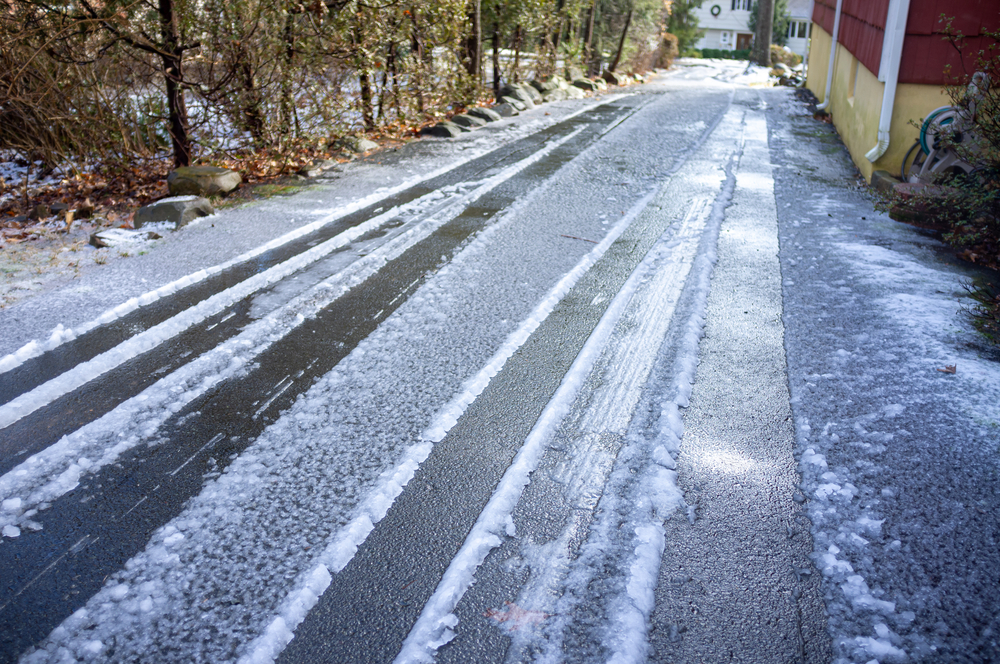
Winter in Louisville, KY brings with it picturesque snowfalls and cozy nights, but it also arrives with a harsh reality for asphalt surfaces. As temperatures dip below freezing, the roads and driveways around the city become vulnerable to damage that can be both unsightly and dangerous. Understanding how cold weather affects asphalt is key for property owners looking to preserve their pavement through the winter and beyond. In this guide, we’ll break down the science behind winter asphalt damage, what signs to watch for, and how to protect your investment.
Freeze-Thaw Cycles: Asphalt’s Hidden Enemy
Louisville winters often feature fluctuating temperatures. One day it may hover around 35°F, then drop below freezing overnight. These freeze-thaw cycles are among the most damaging processes for asphalt. When water seeps into the porous surface of asphalt and freezes, it expands by nearly 10%. This expansion exerts pressure on the surrounding material, creating tiny cracks. When the temperature rises again, the ice melts, and the water penetrates even deeper into the pavement. Repeated cycles lead to more pronounced cracks and eventually potholes.
This constant stress causes structural fatigue. Cracks widen, surfaces heave, and the foundation of the asphalt weakens. These effects aren’t always immediately visible. In fact, a surface may look fine after one or two freeze-thaw events, but the cumulative damage builds up quickly over a single season. By late winter or early spring, many residents of Louisville, KY find their driveways or parking lots riddled with imperfections that didn’t exist in the fall.
Salt and Deicing Chemicals: Necessary but Harmful
To combat icy conditions, many property owners and city maintenance crews use salt or other deicing agents. While these chemicals help keep roads safe, they come at a cost to asphalt integrity. Salt lowers the freezing point of water, helping it stay in liquid form during sub-freezing temperatures. However, this also means that more water can enter asphalt cracks during winter, intensifying the freeze-thaw process.
Moreover, salt can lead to the accelerated breakdown of the asphalt binder, which holds the aggregate together. Over time, this chemical exposure causes the asphalt to become brittle. Combined with the increased foot and vehicle traffic during the holidays, the weakened surface is prone to cracking and erosion. In commercial settings where salt is applied heavily and frequently, such as parking lots or entryways, this damage can be especially severe.
For property owners in Louisville, KY, it’s important to balance safety with maintenance. Using sand instead of salt in some areas, or using salt alternatives that are less damaging, can help reduce long-term deterioration.
Moisture Accumulation and Drainage Issues
Moisture is the root of most cold-weather asphalt problems. Winter precipitation in Louisville comes not only in the form of snow and ice but also sleet and freezing rain. When this moisture is allowed to sit on asphalt surfaces without proper drainage, it increases the risk of structural damage.
Clogged drains or gutters that direct water toward paved areas can result in pooling. These standing water areas are more susceptible to freezing and can cause immediate issues like surface cracking. Over time, poor drainage promotes water infiltration, which damages the sublayers of the asphalt. If the base layer is compromised, the surface becomes unstable and uneven, increasing the likelihood of both minor cracking and major failures like sinkholes or large potholes.
In Louisville’s residential neighborhoods and commercial zones alike, ensuring proper drainage before winter arrives is a proactive measure that pays off. Strategic grading, timely clean-up of leaves and debris, and regular inspections help keep water flowing away from asphalt.
Cracks, Potholes, and the Role of Asphalt Crack Repair
As winter progresses, small cracks often evolve into larger structural problems. Once a crack forms, it creates an entry point for moisture, which continues the freeze-thaw cycle. Cracks that are left untreated can eventually expand into potholes, especially in high-traffic areas. Potholes not only damage vehicles but can become hazardous for pedestrians.
Asphalt crack repair is an essential winter maintenance strategy. In Louisville, KY, it is common to see crews working even in cold months to apply hot or cold crack fillers. These repairs help seal out moisture, prevent expansion, and reduce the risk of further deterioration. The timing of these repairs is crucial. Addressing cracks before the first hard freeze can prevent a chain reaction of damage that would otherwise result in costly repairs by spring.
For residential driveways, homeowners can use cold patch materials to temporarily fix smaller cracks. While not as durable as professional repairs, this solution can act as a stop-gap measure until a more permanent repair is feasible in warmer weather. Regardless of the method, prompt attention to cracks makes all the difference.
Proactive Maintenance Before and During Winter
The best way to protect asphalt in Louisville’s harsh winters is to start before the cold sets in. Fall is the ideal time to assess your asphalt’s condition. Filling cracks, sealing the surface, and checking for drainage issues provide a strong defense against winter damage. Sealing asphalt helps reduce water infiltration and also protects against UV rays, which, while less intense in winter, still contribute to asphalt aging.
During the winter months, regular visual inspections are key. Checking for new cracks after snowstorms or ice events allows for quick action. Removing snow promptly and avoiding the use of metal shovels (which can gouge the surface) can help maintain integrity. Additionally, avoid parking heavy vehicles in the same spot for long periods, as this pressure can cause surface weakening when combined with freezing temperatures.
In commercial spaces, maintaining a winter asphalt care plan ensures high-traffic areas remain safe and functional. Business owners in Louisville, KY often schedule pre-winter inspections with asphalt professionals to stay ahead of seasonal damage. These preventative measures save money in the long run and reduce liability risks associated with uneven or damaged pavement.
Conclusion
Winter in Louisville, KY can be beautiful, but it brings with it a set of challenges for asphalt surfaces. Between the relentless freeze-thaw cycles, chemical exposure from deicers, and moisture-related damage, winter takes a significant toll on unprepared pavement. However, with proper planning and timely maintenance like asphalt crack repair, property owners can preserve their asphalt and avoid expensive fixes in spring.
Staying proactive is the key. Start with a thorough inspection in the fall, seal any vulnerable areas, and be vigilant throughout the season. Whether you’re a homeowner trying to protect your driveway or a business owner maintaining a busy lot, investing in winter asphalt care pays off in durability, safety, and peace of mind.
Louisville winters aren’t going anywhere, but with the right strategy, your asphalt doesn’t have to suffer because of them.
Need a Paving Contractor Near You?
Here at Ezzie Harrison Asphalt Paving, Sealcoating, and Repair, we’ve been proudly serving Louisville, Shelbyville, and Simpsonville since 1995. Whether you need crack repair, asphalt paving, seal coating, gravel hauling, or light grading, our team is here to provide high-quality, reliable service every time. We’re known for getting the job done right the first time, and with all five-star reviews, we take pride in our commitment to excellence. If you want a job well done, reach out to us today, and let’s get your driveway or parking lot looking its best!