
Asphalt Sealcoating and Crack Filling in Louisville, KY
Asphalt does not stay dark, smooth, and sealed forever, especially through Kentucky heat, winter freezes, road salt, rain, and everyday vehicle traffic. At Ezzie Harrison Asphalt Paving, Sealcoating, and Repair, we provide asphalt sealcoating and crack filling in Louisville, KY, for residential driveways and commercial parking lots that need protection before minor wear turns into something bigger. Our service includes surface cleaning, asphalt crack repair, working-crack preparation, sealcoat application, and an honest recommendation if the pavement needs patching or resurfacing first. And since 1995, we have helped local property owners protect asphalt and extend the useful life of surfaces that are still structurally sound.
Sealcoating Helps Protect Asphalt Before Damage Spreads
Sealcoating adds a protective layer over asphalt that helps shield the surface from UV exposure, moisture, oil, road salt, and everyday weathering. It can also restore the darker appearance that fades as asphalt ages.
The key is applying sealcoat at the right time. A driveway or parking lot with surface wear and manageable cracking may be a strong candidate, while pavement with structural failure needs more than a coating.
Read More
Common reasons customers call us include:
- Asphalt fading from black to gray
- Hairline cracks beginning to spread
- Surface oxidation
- Oil spots and staining
- Small areas of edge deterioration
- Minor water intrusion concerns
- Recent paving that has finished curing
- Parking lots that look weathered
- Property turnover or tenant walkthrough preparation
- Seasonal maintenance before winter
Sealcoating works best as preventative maintenance. It is not a substitute for rebuilding asphalt that has already failed underneath.
Crack Filling Comes Before the Sealcoat
Applying sealcoat over untreated cracks does not make the cracks disappear. Water can still work its way into the pavement, especially during Louisville’s freeze-thaw cycles, and that moisture can make existing damage worse.
We address appropriate working cracks before sealing. Depending on the condition, that may involve cleaning, preparing, and filling the crack so the surface has a better foundation for the sealcoat application.
Crack filling helps reduce water intrusion and slows the progression of certain cracks. It does not permanently correct deep structural movement or base failure, which is why we inspect the pavement first.
Driveway Sealcoating for Residential Properties
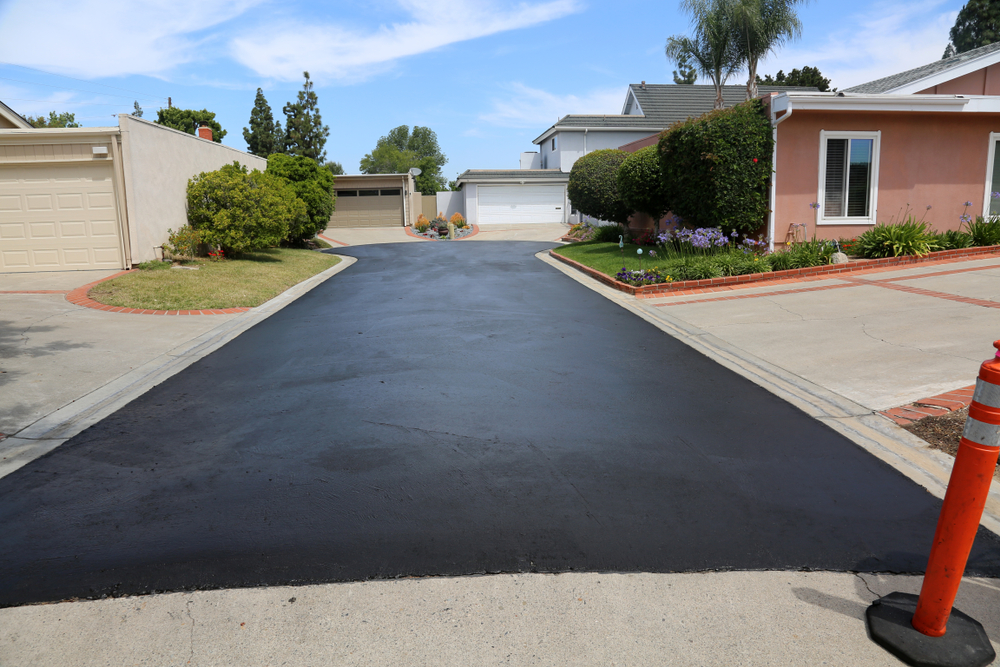
Driveway sealcoating can help homeowners keep asphalt looking maintained while protecting it from daily exposure. Sun, rain, vehicles, leaking fluids, and seasonal temperature changes all wear away at the surface over time.
We clean the driveway, evaluate cracks and damaged areas, complete appropriate crack filling, and apply sealcoat once the surface is ready. If we see sections that need patching first, we will point them out rather than sealing over a problem that needs a different repair.
For homeowners searching for a crew to sealcoat driveway surfaces correctly, that evaluation is important. A good sealcoating job starts with deciding whether the asphalt is actually ready to be sealed.
Parking Lot Sealcoating for Commercial Properties
Commercial lots experience a different kind of wear than residential driveways. Repeated traffic, delivery vehicles, turning tires, oil drips, weather exposure, and snow removal can all accelerate surface deterioration.
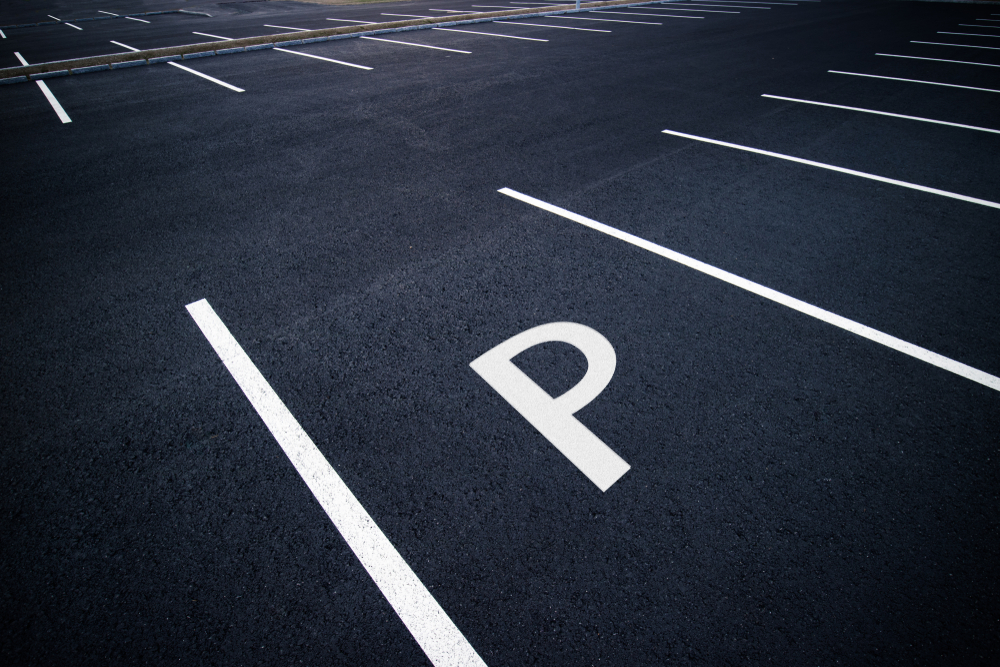
Our parking lot sealcoating service helps businesses, property managers, and commercial owners protect asphalt while improving the overall appearance of the property. We can also address parking lot crack repair before sealcoat is applied.
When the lot needs fresh markings, sealcoating can be paired with striping work after the surface is ready. That can give the property a cleaner, more finished appearance while restoring parking lines and traffic guidance.
Louisville Weather Is Hard on Asphalt
Louisville pavement has to deal with both summer heat and winter freeze-thaw cycles. Water can enter small cracks, freeze, expand, and gradually widen those openings over repeated weather changes.
Road salt, snow-plow activity, and winter moisture can add another layer of wear. In summer, UV exposure and heat contribute to oxidation and drying at the surface.
That combination is one reason regular inspection and crack filling matter here. Small defects that are manageable today can become larger repair areas after another season of water and temperature changes.
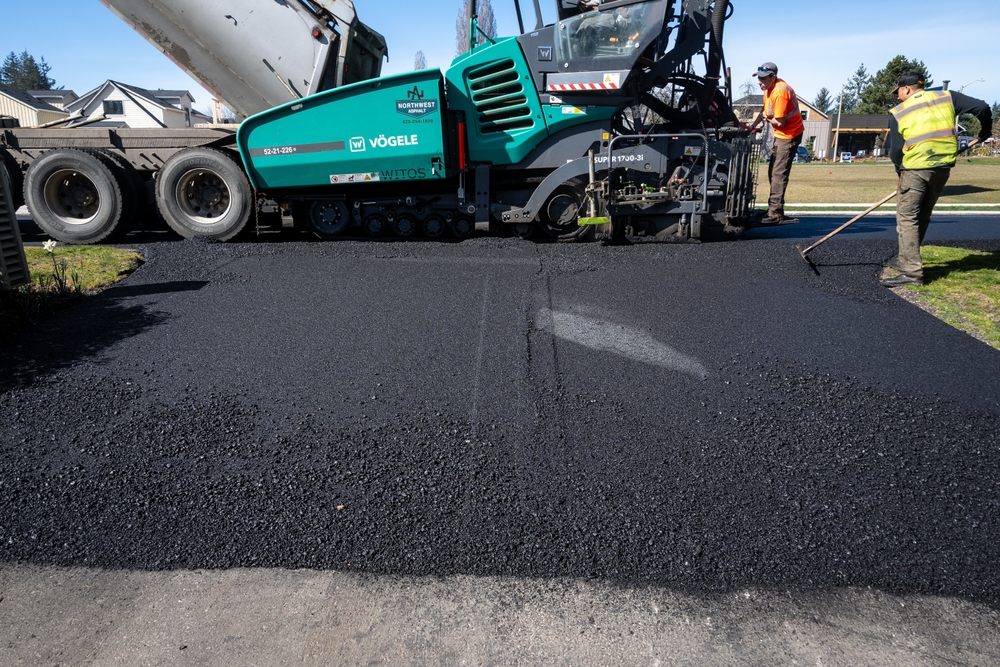
How Often Should You Sealcoat an Asphalt Driveway?
A common question we hear is, “How often should you sealcoat an asphalt driveway?” There is no universal schedule because pavement age, traffic, sun exposure, previous sealcoating, drainage, and surface condition all affect timing.
New asphalt also needs time to cure before it is sealed. If your driveway has recently been paved, we can evaluate the condition and let you know when sealcoating makes sense.
For older asphalt, the appearance and condition often tell us more than the calendar does. Fading, oxidation, and early cracking are signs that it may be time for an inspection.
Sealcoating vs Resurfacing
Sealcoating vs resurfacing is an important distinction because the two services solve different problems. Sealcoating protects the existing surface, while resurfacing adds a new asphalt layer when the pavement has more advanced deterioration but the underlying base can still support the work.
Sealcoating does not repair deep alligator cracking, major depressions, structural base failure, or widespread crumbling. Trying to coat over those conditions may make the surface look darker temporarily, but it will not fix what is happening underneath.
If the pavement needs resurfacing, major patching, or full replacement, we will say so. Those services belong to a different repair process, and setting the right expectation is better than selling a coating that will not solve the problem.
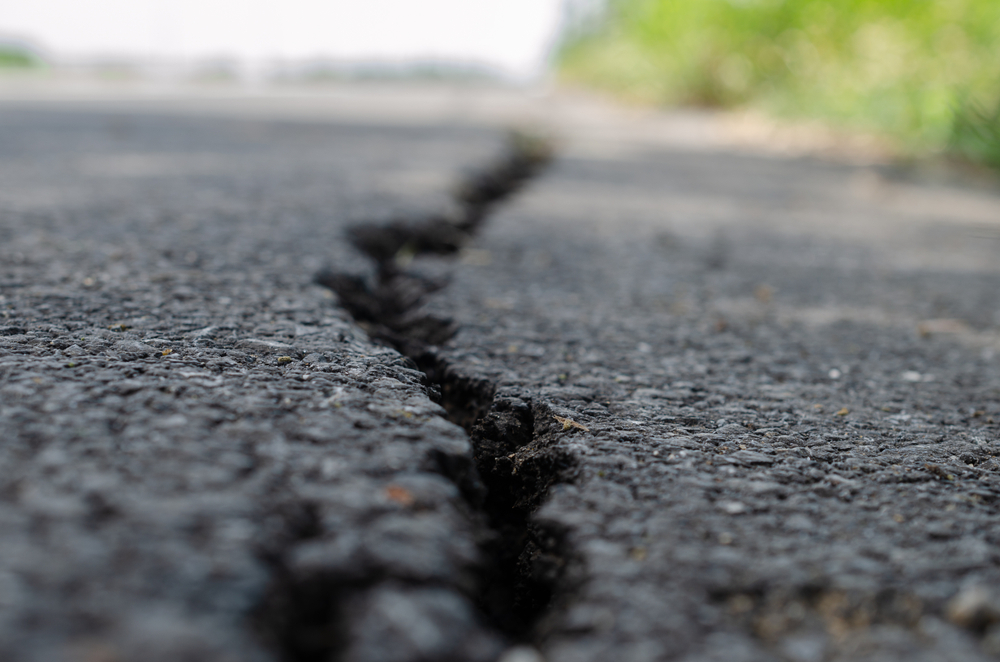
When Crack Filling Is No Longer Enough
Crack filling is designed for appropriate cracks that can be cleaned, prepared, and filled before sealing. It is not meant to repair pavement that is breaking apart across large interconnected areas.
Alligator cracking, repeated potholes, sinking sections, or widespread base movement usually point to a larger structural problem. In those situations, patching, resurfacing, or replacement may be the more practical path.
Our crew evaluates the condition before recommending a service. We would rather tell you the asphalt is not a sealcoating candidate than apply material over a surface that needs more substantial work.
What Affects Asphalt Sealcoating Cost?
Asphalt sealcoating cost depends on several factors, including square footage, pavement condition, crack repair needs, cleaning requirements, access, and whether additional repair work is needed before sealing. Commercial parking lots may also involve striping or more extensive crack filling.
We provide free estimates so you can understand the scope and cost before work begins. That gives us a chance to look at the actual pavement instead of guessing from a generic price.
If part of the surface needs patching or another repair before sealcoat, we can explain that during the estimate. Clear expectations up front make the project easier for everyone.
Residential and Commercial Asphalt Experience Since 1995
Ezzie Harrison Asphalt Paving, Sealcoating, and Repair has served Louisville, Shelbyville, Simpsonville, and surrounding communities since 1995. We are locally owned and handle both residential and commercial asphalt work.
Our crew is licensed and insured, and our company has built a strong reputation backed by five-star reviews. We also provide free estimates and discuss applicable warranty details for qualifying work during the estimate process.
Because we work on driveways, parking lots, paving, crack repair, sealcoating, and related asphalt services, we can look at the pavement as a complete system. That makes it easier to recommend the right service instead of forcing every surface into a sealcoating job.
Frequently Asked Questions
How do I know if my driveway needs sealcoating?
Fading, oxidation, and early surface cracking are common signs that sealcoating may be appropriate. We inspect the pavement first to make sure the asphalt is still structurally sound enough to benefit from sealing.
Does sealcoating fix cracks?
No, sealcoating itself is not a crack repair. Appropriate cracks should be cleaned and filled before sealcoat is applied so water has less opportunity to enter the pavement.
Can you sealcoat over alligator cracking?
No, deep alligator cracking usually points to structural or base problems that sealcoating cannot fix. Those areas may need patching, resurfacing, or replacement before a protective coating makes sense.
Can parking lot sealcoating be combined with striping?
Yes, parking lot work can be coordinated with fresh striping when the property needs both services. The sealcoat must be properly applied and ready before new lines are installed.
How do I get an asphalt sealcoating estimate?
Call 502-333-5476 for the fastest response and a free estimate. You can also use the contact form if that is more convenient, but calling is the best way to get the process started quickly.
Protect the Asphalt Before Small Cracks Become Bigger Repairs
Sealcoating and crack filling are most valuable when the pavement is still worth protecting. That’s why Ezzie Harrison Asphalt Paving, Sealcoating, and Repair provides driveway sealcoating, parking lot sealcoating, asphalt crack repair, and parking lot crack repair throughout Louisville and nearby communities, with local experience dating back to 1995. We clean the surface, fill appropriate cracks, apply sealcoat, and tell you plainly when the asphalt needs something more substantial first. So be sure to call 502-333-5476 for a free estimate, or use our contact form if you prefer to reach out online and let our team evaluate the surface before another season adds more wear.