
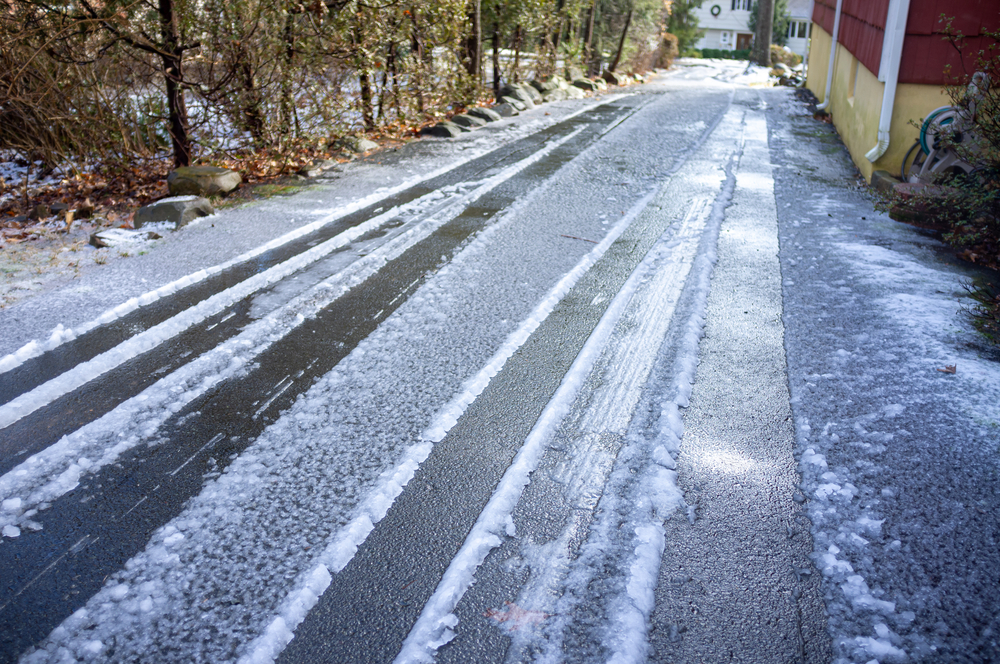
Fall is the window Louisville property owners have to address asphalt problems before freezing temperatures, snow, ice, and winter moisture make existing damage worse. A narrow crack that seems minor in September can become an entry point for water, and repeated freezing and thawing can put additional stress on already weakened pavement.
The priority is simple: fill cracks first, then evaluate the rest of the pavement.
Quick answer: To prepare Louisville asphalt for winter, start by identifying and filling cracks before colder weather arrives, then address drainage problems, potholes, surface deterioration, and other vulnerable areas. Crack filling comes first because open cracks allow water to penetrate the pavement, where freezing conditions can contribute to expansion, deterioration, and pothole formation.
Louisville Metro has specifically identified water entering pavement cracks and subsequent freezing and expansion as part of the pothole formation process.
What Louisville Property Owners Should Know
-
Crack filling should be addressed before sealcoating because sealing over untreated pavement cracks does not correct the underlying openings.
-
Fall maintenance gives property owners an opportunity to address vulnerable pavement before Louisville’s winter freeze-thaw cycles begin.
-
Drainage matters because standing water and runoff can repeatedly introduce moisture into damaged pavement.
-
Parking lots and driveways should also be checked for potholes, crumbling edges, depressions, and widespread cracking.
-
Sealcoating can be part of a maintenance plan, but it should not be treated as a substitute for necessary asphalt repairs.
Why Does Fall Asphalt Maintenance Matter in Louisville?
Fall asphalt maintenance matters in Louisville because winter brings freezing temperatures, precipitation, and repeated temperature changes that can expose weaknesses already present in pavement. Water can enter cracks during wet weather, then freezing temperatures can put additional pressure on damaged areas.
The National Weather Service’s Louisville office documents freezing conditions as a regular part of the area’s seasonal climate. Louisville Metro also reported that the 2025-2026 winter included snow, ice, and repeated freeze-thaw cycles. By March 19, 2026, Metro crews had filled more than 11,400 potholes following that winter.
That citywide road damage illustrates the same basic process that can affect private driveways and parking lots.
From residential pavement around St. Matthews and Jeffersontown to commercial properties near Dixie Highway, Bardstown Road, and Shelbyville Road, cracks deserve attention before winter rather than after the damage has progressed.
Ezzie Harrison Asphalt Paving, Sealcoating, and Repair helps local property owners evaluate asphalt maintenance and repair needs. We focus on identifying what the pavement actually needs so appropriate repairs can be completed in the right order.
What Do Local Weather Conditions Tell Us About Asphalt?
Local weather data shows that Louisville pavement must handle both significant summer heat and winter freezing conditions. That seasonal range makes existing cracks especially important because pavement is exposed to changing temperatures as well as rain, snow, and ice.
Louisville Metro climate information describes the area as having four distinct seasons and notes that winter typically includes rain, sleet, snow, and icing. The same city information reports an average of 54 days per year with low temperatures below freezing.
The National Weather Service also maintains detailed frost and freeze records for central Louisville and notes that conditions can differ in rural portions of Jefferson County.
For asphalt owners, the practical takeaway is straightforward: do not assume a warm September or October means freezing weather is far away. Fall is preparation time.
How Can Winter Damage Louisville Driveways and Parking Lots?
Winter can worsen existing asphalt damage by allowing moisture to enter cracks and vulnerable areas before temperatures fall below freezing. As deterioration progresses, property owners may see wider cracks, loose pavement, potholes, rough areas, and additional repair needs.
Louisville Metro explains that potholes form when water seeps into small pavement cracks, freezes and expands, weakens the surface, and is followed by traffic over that weakened pavement.
Private asphalt experiences many of the same stresses.
A residential driveway may develop a rough or broken area where tires repeatedly cross a crack. A commercial parking lot can experience additional wear where vehicles turn, brake, park, or travel through already weakened sections.
Getting ahead of those vulnerabilities is generally more practical than waiting to see how they look after February.
What Asphalt Warning Signs Should You Look for This Fall?
Louisville property owners should look for open cracks, potholes, drainage problems, crumbling pavement, depressions, and widespread surface deterioration before winter. These conditions can indicate that the pavement needs more than routine cosmetic maintenance.
Watch for:
-
Long cracks running across or along the pavement
-
Connected or branching crack patterns
-
Cracks that have visibly widened
-
Small potholes or areas beginning to break apart
-
Crumbling driveway or parking-lot edges
-
Depressions where water remains after rain
-
Loose aggregate or visibly deteriorated surface areas
-
Previously repaired sections that are opening again
A quick inspection after a fall rain can be particularly useful because water may reveal low areas and drainage problems that are harder to notice when the pavement is dry.
When Should You Call an Asphalt Professional?
Call an asphalt professional when cracks are extensive, potholes are forming, pavement is sinking or breaking apart, or you are unsure whether the surface needs crack filling, repair, sealcoating, or more substantial paving work. The correct solution depends on the condition of the pavement rather than appearance alone.
Property owners can safely perform visual checks and keep leaves, sediment, and debris from blocking drainage paths.
Diagnosis becomes more important when damage is widespread.
For example, applying a surface treatment to pavement with significant structural deterioration does not address the underlying problem. An asphalt evaluation can help distinguish maintenance needs from areas requiring repair.
What Commonly Causes Asphalt Damage Around Louisville?
Common Louisville asphalt problems are associated with water intrusion, freeze-thaw activity, drainage issues, traffic, age, and existing pavement deterioration. These factors often work together rather than affecting pavement independently.
Water intrusion is especially important. Once cracks provide a path into pavement, moisture can reach vulnerable areas below the surface.
Freeze-thaw activity can then worsen those weaknesses when temperatures move above and below freezing.
Poor drainage adds another problem. Downspouts, slopes, low spots, and runoff patterns can repeatedly direct water toward the same pavement areas.
Traffic contributes additional stress. Commercial parking lots and frequently used driveways experience repeated vehicle loading, particularly at entrances, turning areas, loading zones, and parking spaces.
Louisville’s seasonal temperature swings add to that overall wear.
How Should You Maintain Asphalt This Fall?
The best fall asphalt maintenance plan starts with inspection and crack filling, followed by necessary repairs, drainage corrections, and appropriate surface maintenance. The goal is to enter winter without leaving obvious openings and weak areas untreated.
Start by walking the entire paved area. Look closely at seams, edges, previously repaired sections, low spots, and places where water collects.
Next, prioritize open cracks. Crack filling helps reduce the opportunity for water to enter those openings.
Potholes and broken pavement should be evaluated separately because they may require repair rather than crack filler.
Drainage should also be checked before leaves and winter precipitation create additional problems.
Finally, determine whether sealcoating is appropriate for the pavement’s current condition. Crack filling and necessary repairs should come first.
What Results Can You Expect From Fall Asphalt Maintenance?
Proper fall maintenance can help reduce water intrusion, address existing defects, and leave pavement better prepared for Louisville’s winter conditions. It cannot make aging asphalt immune to weather, and no maintenance treatment should be presented as a permanent solution to every type of pavement damage.
Crack filling addresses cracks. Repair work addresses damaged areas. Sealcoating serves a different maintenance purpose.
The best result comes from matching the service to the actual condition of the pavement.
That is why the order matters.
Cracks first. Repairs where needed. Surface maintenance when appropriate.
What Fall Asphalt Maintenance Mistakes Should You Avoid?
The biggest fall asphalt mistakes are ignoring cracks, treating every problem with sealcoating, overlooking drainage, and waiting until winter weather arrives. A better approach is to identify the type and severity of damage while fall conditions still provide an opportunity for maintenance.
Mistake: Ignoring small cracks.
Consequence: Water continues to have an opening into the pavement.
Better approach: Evaluate and address cracks before winter.
Mistake: Sealcoating without dealing with cracks first.
Consequence: The visible surface may change while important openings remain unresolved.
Better approach: Complete appropriate crack filling and repairs before surface maintenance.
Mistake: Ignoring standing water.
Consequence: The same damaged area can remain repeatedly exposed to moisture.
Better approach: Identify why water is collecting and determine whether drainage or pavement repair is needed.
Mistake: Waiting for a pothole.
Consequence: A relatively contained pavement problem may progress into more extensive deterioration.
Better approach: Inspect asphalt during fall and address warning signs early.
What Is a Common Louisville Fall Asphalt Scenario?
A common Louisville scenario is a driveway or parking lot that looks generally usable but has several untreated cracks and one or two areas where water collects after rain. The owner may consider sealcoating first because fading is the most visible problem, even though the cracks deserve priority.
The better sequence is to inspect the pavement, determine which cracks can be appropriately filled, identify any areas requiring repair, review drainage, and then decide whether sealcoating makes sense.
That sequence prepares the pavement for winter based on condition rather than appearance alone.
Which Asphalt Services Can Help Before Winter?
Crack filling, asphalt repair, sealcoating, and paving can each play a role in fall pavement care, but they solve different problems. The appropriate service depends on whether the asphalt has isolated cracks, localized damage, surface wear, or deterioration extensive enough to require more significant work.
Crack filling targets openings where moisture can enter.
Asphalt repair addresses damaged or failed areas.
Sealcoating may be appropriate as preventive surface maintenance when the pavement is otherwise in suitable condition.
Paving becomes relevant when deterioration goes beyond what routine maintenance or localized repairs can reasonably address.
Should You DIY Asphalt Maintenance or Call a Professional?
DIY monitoring is useful for spotting cracks, drainage problems, and changing pavement conditions, while professional service is appropriate when repairs require specialized materials, equipment, or pavement assessment. Louisville property owners should base that choice on the extent and type of deterioration.
Cleaning debris and watching how water drains are reasonable owner maintenance tasks. Minor pavement products may also be available to consumers.
Professional evaluation becomes more useful when cracks are numerous, damage keeps returning, potholes have developed, drainage is contributing to failure, or the owner cannot tell whether repair or replacement is appropriate.
Commercial properties may also benefit from professional scheduling because repair work needs to account for vehicle and customer access.
Where Do We Serve Around Louisville?
Our asphalt services support property owners in Louisville and surrounding communities where seasonal weather creates similar pavement maintenance concerns. This includes properties throughout Jefferson County and nearby communities such as Jeffersontown and St. Matthews, depending on project location and service availability.
Property owners can contact us to confirm service for their specific address.
What Can Happen If You Ignore Asphalt Cracks Until Spring?
Ignoring asphalt cracks until spring gives winter moisture and freezing conditions more time to act on already vulnerable pavement. Not every crack will become a pothole in one winter, but leaving openings untreated can increase opportunities for water intrusion and continued deterioration.
Louisville’s most recent winter offers a useful reminder. After snow, ice, and repeated freeze-thaw cycles, Louisville Metro reported repairing more than 11,400 potholes between January 1 and March 19, 2026.
Private driveways and parking lots are different from public streets, but the underlying warning about water and freezing pavement still applies.
FAQ
Should I fill asphalt cracks before sealcoating in Louisville?
Yes, appropriate cracks should generally be addressed before sealcoating because crack filling and sealcoating perform different jobs. Crack filling targets openings in the pavement, while sealcoating is a surface maintenance treatment. If your Louisville driveway or parking lot has visible cracking, evaluate those cracks and any necessary repairs before considering sealcoat.
When should Louisville property owners prepare asphalt for winter?
Fall is the practical season to inspect and prepare Louisville asphalt before regular freezing conditions arrive. The National Weather Service maintains records showing that freezes can occur during the fall, so property owners should avoid assuming they have until winter officially begins. Scheduling also depends on weather and the specific service being performed.
Why are cracks a problem during Louisville winters?
Cracks provide a pathway for water to enter vulnerable areas of asphalt, where freezing and thawing can contribute to additional deterioration. Louisville Metro specifically identifies water entering pavement cracks, freezing, expanding, and weakening pavement as part of pothole formation. That makes controlling water intrusion an important fall maintenance priority.
Does every cracked driveway in Jefferson County need replacement?
No, cracking does not automatically mean an asphalt driveway needs replacement. The appropriate solution depends on the extent, pattern, severity, and underlying condition of the pavement. Some areas may be candidates for crack filling or localized repair, while widespread deterioration can indicate the need for more substantial work.
Can sealcoating fix cracks in a Louisville parking lot?
Sealcoating should not be treated as a replacement for proper crack filling or asphalt repair. A parking lot with cracks, potholes, or failed areas should have those conditions evaluated first. Once appropriate repairs are completed, sealcoating may be considered separately as part of the property’s pavement maintenance plan.
Why should I check drainage before winter?
Drainage should be checked because standing water and concentrated runoff repeatedly expose vulnerable pavement to moisture. Louisville’s winter freezing conditions make existing cracks and low areas especially worth watching. Look after rainfall for puddles, runoff from downspouts, clogged drainage paths, and water collecting along pavement edges.
Can I wait until spring to repair small asphalt cracks?
You can wait, but doing so leaves cracks exposed through another Louisville winter. Because water intrusion and freeze-thaw activity can contribute to pavement deterioration, fall provides an opportunity to address suitable cracks before freezing weather. An evaluation can determine whether a crack is appropriate for filling or indicates a larger repair issue.
What should Louisville businesses check in parking lots before winter?
Louisville businesses should check parking lots for open cracks, potholes, broken edges, standing water, deteriorated repairs, and heavily worn traffic areas. Entrances, turning zones, loading areas, and drainage paths deserve particular attention because they can experience repeated vehicle loading or moisture exposure throughout Jefferson County’s winter weather.
Get Your Louisville Asphalt Ready Before Winter
Fall maintenance can help reduce water intrusion and address vulnerable pavement before Louisville’s freezing weather arrives. We can evaluate cracks, damaged asphalt, repair needs, and maintenance options so you can make an informed decision about what should be handled first.